A recruiter's personal brand brings so many benefits, including elevating the company's page and bringing commercial advantages to the agency. Here's how it works in practice.
Just like how show ponies need to parade around and exhibit how good they are, recruiters and leaders need to do the same by leveraging their personal brand. It’s how you get serious in the game, buying back everything from time, trust and better conversations.
In recruitment, most people have seen it all before, so your personal brand becomes a quiet qualifier. By the time someone gets in touch, they’re already half-sold on working with you.
At Branded by Aquila, we treat personal brand as revenue infrastructure, because when people show up consistently with value, the pipeline shifts from irregular effort into compounding interest. That’s Personal Brand 2.0 in practice: authority that converts, not a parade of posts for the sake of it.
What Is Personal Brand?
Let’s be precise here. A personal brand is so much more than a banner image and a tidy About section; it’s the cumulative evidence of your thinking. It’s your way to showcase your knowledge to your audience and market in a way that shows you genuinely understand their pain points and priorities.
When recruiters do this well, something amazing happens: the numbers move. Just think about it. Employee-shared posts reach far beyond what a company page can manage and it’s all because audiences are materially more likely to engage with humans than with logos. If you can capitalise on this, it’s distribution your competitors can’t buy.
The Payoff of Putting Your Face Out There.
Consultants.
For consultants, the commercial payoff is immediate. Visibility will start to elevate reply rates. Authority eases objections. Momentum replaces the “spray and pray” approach.
Recruiters who actively post (not just job vacancies) see acceptance rates jump. The real benefit of video is accelerated trust; faces do what text can’t. The more you teach your audience, the less you need to chase interest.
We need to go beyond the default excuse of “I haven’t got time” and recognise the potential return. Even putting 20 minutes a day into creating visible, valuable content quickly pays for itself, leading to warmer first calls and shorter closing cycles.
Treat it like BD you can do at scale, while you’re on the train.
Leaders.
For leaders, personal brand is about getting the most out of the systems you’ve invested in. After spending eye-watering sums on licences and tooling (which only seem to keep increasing), you’ll see far greater ROI when your people are visible and credible in their space.
Having a licence is not enough to convince someone to reply; all recruiters have this same toolbelt. What distinguishes you from the competition is your consultants’ track record, expertise, and tone.
When you tie enablement to personal brand activity, the economics shift. You rely less on brute-force InMail’s and generate more qualified inbound leads, with clearer attribution as your team’s audience converts into measurable opportunities.
Instead of sitting through another renewal wondering if it’s worth the cost, you realise the value when your people are building brands alongside tools. Otherwise, it’s like paying for a gym you don’t visit.
Leadership’s Problem with Personal Branding.
We hear this one all the time.
If we help our consultants build a personal brand, won’t they just leave and take that network with them?
In all honesty, this isn’t a personal branding problem; it’s a leadership one. The revenue you unlock by giving recruiters the freedom to grow and develop their brand far outweighs the fear of losing them.
If your consultants can bill more while they’re with you, why would you inhibit that? If you’re worried they’ll leave, chances are there was already an issue with the environment. Give people the space to grow and develop; flourishing people tend to stay.
Creating a Strategy of Usefulness.
One of the biggest concerns we hear is how the process work without turning the team into content creators who quietly hate you. It’s all about market value. Don’t become a part of the noise; stand out by providing genuine insight to your readers.
Educate your audience by translating the chaos into “do this now” clarity. Teach by sharing specific, unvarnished stories. Engage by asking real questions and responding in the comments where your buyers already spend time.
Your biggest friend here? Consistency.
To be clear, you don’t need to go viral for this to be effective – just valuable. 1–3 posts a week will do more for your desk than quarterly flurries of “We’re doing this…”. Sharing small, honest insights, especially the things people rarely say out loud, is how you become the recruiter people remember when it matters.
Measure Personal Branding Activity.
As an MD or practice lead, you can scale the efforts of your recruiters without wrecking your calendar by setting rails. Personal branding activity can be structured into weekly wrap-ups or quarterly touchpoints so you can reward the right behaviours (in the form of extra video support, editing time, profile reviews, etc.).
Keep a shared content bank so no one is starting from a blank page, and appoint internal champions who nudge, quality check tone, and keep momentum when marketing is stacked. Do this for six months and something interesting happens. Sales stops treating marketing like the PowerPoint department, and marketing stops treating sales like the “ignore the brief” department.
And your feed? It’ll look less like landfill, positioning you as an expert in your field.
A quick caveat on guardrails. The fastest way to kill a personal brand is to be painfully salesy or absent. If every post is about roles you’re filling, you’ll quickly train both the algorithm and your audience to ignore you.
Similarly, don’t vanish for three weeks and then dump 15 posts out of guilt. Consistency always wins. Don’t post and ghost; comments are where credibility is established.
Expect misfires (we’re only human), iterate, but most importantly, keep showing up. This is a craft, not roulette.
Formats That Work.
Let’s talk about formats without getting precious.
- Text is fast and adaptable
- Carousels are useful with genuine steps or data
- Video is a trust supercharger
Decision makers are trusting video content more, as is LinkedIn’s algorithm. If you’re hesitant to step in front of the camera, start with a voiceover and a screenshare. Keep the cuts scrappy and the point sharp.
The goal here isn’t necessarily views; it’s qualified conversations that emerged because you were the most helpful voice on a Tuesday afternoon.
Company Brand vs Personal Brand.
This is a false binary we consistently call out. It’s not one or the other. Your company brand lays down the credibility, proof and consistency, while your people add reach, texture and humanity to these messages.
When employees share, audiences feel more connected. When recruiters share, candidates trust the message more than if it comes from head office. By marrying the two, you’ll produce fewer, better assets that travel further because they’re carried by real humans. No one is sitting on your company page clicking refresh to see what you’re posting next.
Personal Brand Arsenal.
Where does BbA come in? We make this executable.
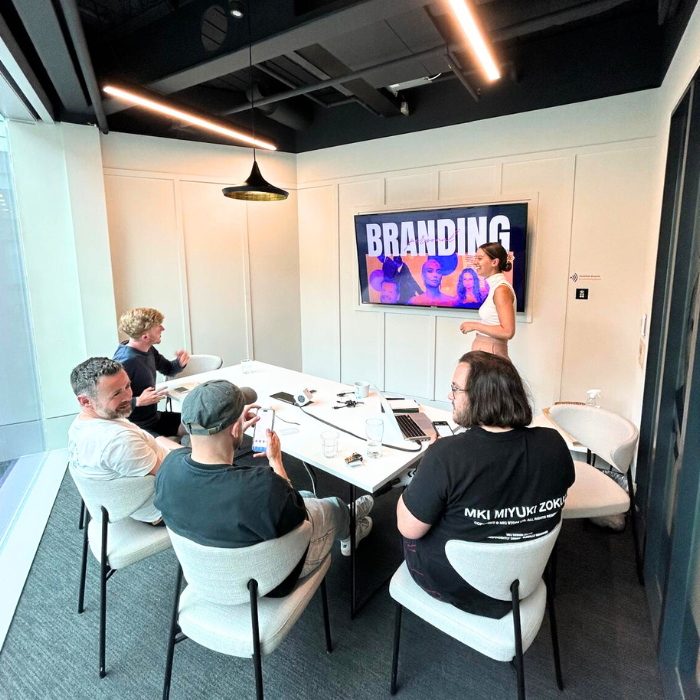
Our Personal Brand Workshop takes your team from “we know we should” to “we’re doing it, on brand, with evidence”. It starts face-to-face, followed by LinkedIn and BD support so the habit survives come Monday.
Profiles get tightened. Topics get mapped to your ICP and a plan is agreed that people can realistically sustain. Afterwards, our ongoing personal branding reports keep everyone honest. You can see what’s landing, what needs binning, and where to double-down.
Most importantly, activity can be tied back to the commercial levers leadership care about: inbound leads, velocity, and licence ROI. If your board wants evidence, this provides it.
Will it take time? Yes. Will it pay back before the quarter is out? If you stick to the plan, you’ll see it in replies, meetings and the suspiciously easier closes. Most teams feel the uptick within a month of consistent effort; those who drift in and out still see results inside a quarter, but the compounding effect kicks in once you’ve got rhythm. Think of it as a marathon, not a sprint.
The Leadership Lens.
Your job isn’t to turn everyone into an influencer; it’s to promote more of your expertise to the market reliably. Niche down and own your space. Reward the doers. Integrate the signals/tagging into your CRM so you can follow the journey from a Tuesday post to an agreed meeting, to a signed SOW.
When that feedback loop is visible, scepticism evaporates and culture shifts from “posting because marketing said so” to “showing up because it moves the number”. That’s when personal branding stops being a campaign and starts becoming an embedded differentiator.
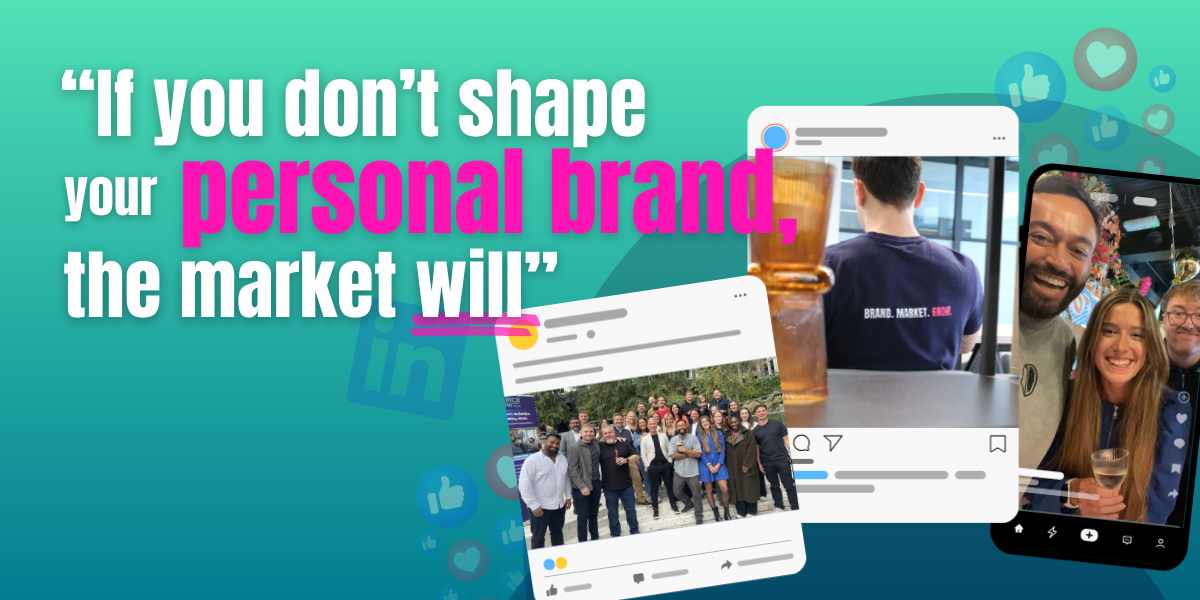
If you take away nothing else from this article, take note that personal brand is not decoration. Consultants who show their working attract better candidates and conversations. Leaders who operationalise it build firms that feel bigger than their headcount. If you don’t shape your brand, the market will shape it for you, and it won’t be flattering.
.png?updated=1790175755)